Hangtuah: A Handwritten Script Font for Branding, Craft, and Everyday Design
Choosing the right typeface often determines whether a design feels polished or falls flat. For creators, business owners, and marketers, the search for a font that balances personality with readability can feel endless. Enter Hangtuah—a beautiful handwritten script that brings a fluid, human touch to digital and print projects alike. Whether you are building a brand identity or working on a personal craft project, understanding what makes this font distinctive can help you decide if it fits your workflow.
What Is Hangtuah, and What Makes It Stand Out?
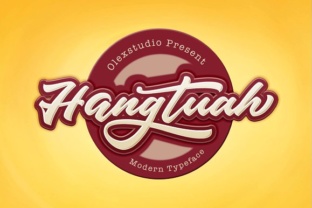
Hangtuah is a handwritten script typeface designed to capture the natural rhythm of hand lettering while maintaining the consistency expected from a professional font. Unlike many scripts that lean heavily into either formal calligraphy or messy scribbles, Hangtuah finds a comfortable middle ground. Its strokes feel effortless, with gentle transitions between thick and thin lines that give letters a lively, organic appearance.
One of the first things you notice when working with Hangtuah is its fluidity. Letters connect naturally, creating a seamless flow that mimics real handwriting without sacrificing legibility. This makes it suitable for everything from short headlines to longer passages where a personal, approachable tone is desired.
Key Characteristics of Hangtuah
- Fluid letterforms that maintain a consistent baseline and x-height, ensuring readability even at smaller sizes.
- Balanced stroke contrast that adds visual interest without overwhelming the reader.
- Natural ligatures and alternates that help avoid the repetitive feel sometimes found in simpler scripts.
- Open counters (the enclosed spaces inside letters like e and a), which improve clarity in digital formats.
- Versatile weight that works across both light backgrounds and darker media without losing definition.
These qualities make Hangtuah a reliable choice for designers who want a script font that does not sacrifice usability for style.
Where Hangtuah Shines: Practical Applications
The value of any typeface lies in how well it performs across real-world use cases. Hangtuah has found a home in several distinct areas, each taking advantage of its handwritten character and professional finish.
Branding and Marketing Materials
For small business owners and marketing professionals, first impressions matter. A logo, tagline, or social media graphic often has only a few seconds to capture attention. Hangtuah brings a handcrafted feel to branding without looking amateurish. It pairs well with minimalist sans-serif fonts, creating contrast that adds depth to business cards, website headers, and product packaging. Many users report that the font helps convey authenticity—a valuable trait for brands focused on storytelling or artisanal products.
Craft Projects and DIY Design
Creators working on invitations, greeting cards, scrapbooks, or custom merchandise appreciate how Hangtuah mimics the look of hand-lettered designs. Because the font already includes natural variations in letterforms, it reduces the need for manual tweaking. A quick test: set a short phrase in Hangtuah at 18–24 points, and you will see how it instantly elevates a simple layout into something that feels thoughtfully made. For crafters who want to maintain a personal touch without spending hours lettering by hand, this font offers a practical shortcut.
Content Creation and Social Media
Online content creators—bloggers, YouTubers, influencers—often need visuals that stand out in crowded feeds. Hangtuah works well for quote cards, thumbnail titles, and story highlights. Its readability at smaller scales means it performs better on mobile screens than many overly decorative scripts. When used sparingly alongside clean body text, it adds a warm, inviting tone that encourages engagement.
Event Invitations and Stationery
Weddings, parties, and corporate events all benefit from cohesive stationery. Hangtuah handles the formality of an elegant invitation while remaining relaxed enough for casual gatherings. The font’s natural spacing reduces the need for manual kerning adjustments, saving time when producing multiple pieces. Paired with a simple serif or sans-serif for details like dates and locations, Hangtuah creates a polished, coordinated look.
Who Benefits Most from Using Hangtuah?
While Hangtuah can be used by anyone, certain groups find it especially valuable:
- Freelance designers who need a versatile script font that works across client projects without requiring extensive customization.
- Small business owners managing their own branding, who want a professional look without hiring a lettering artist.
- Hobbyists and crafters seeking a reliable font for personal projects that still look polished.
- Marketing teams producing social media content or email campaigns that benefit from a friendly, human voice.
- Print-on-demand sellers creating apparel, mugs, or posters where handwritten style drives appeal.
For each of these groups, Hangtuah reduces the gap between a rough concept and a finished product, allowing more time for creative decisions rather than technical fixes.
Strengths, Limitations, and What to Expect
Every typeface has trade-offs. Understanding these helps you decide where Hangtuah fits your toolkit.
Strengths
- Readability: Despite being a script, Hangtuah remains clear at sizes as low as 10–12 points, making it more versatile than many handwritten alternatives.
- Natural flow: The ligatures and letter connections reduce the mechanical feel that sometimes plagues script fonts.
- Consistency: Each character is carefully drawn, so you do not encounter unexpected weight shifts or awkward gaps.
- Cross-platform performance: Whether used in Adobe Illustrator, Canva, or Microsoft Word, Hangtuah renders reliably.
Considerations and Limitations
- Lengthy text: While Hangtuah is readable, it is best suited for short to medium passages. Large blocks of body text may tire the eye, as is true with most script fonts.
- Formal contexts: The handwritten character may feel too casual for legal documents, academic papers, or highly conservative corporate communications.
- Pairing requirements: To avoid visual clutter, Hangtuah works best when paired with simpler, neutral fonts—it needs room to breathe.
- Language support: Depending on the version you acquire, character coverage may vary. Check that it includes the diacritics or special letters your project requires.
How to Evaluate Whether Hangtuah Suits Your Project
Before committing to a font, consider a few practical tests:
- Test at target size: Set your sample text at the size it will actually appear. A font that looks beautiful at 36 points may lose charm at 14 points.
- Assess context: Does your project need warmth and personality? If the answer is yes, Hangtuah is a strong candidate. If you need strict neutrality, look elsewhere.
- Check pairings: Try Hangtuah alongside a clean sans like Open Sans or Lato, or a classic serif like Playfair Display. If the combination feels unbalanced, consider adjusting weights or spacing.
- Print a sample: If your final output is physical, always print a test. Screens can flatter a font in ways that paper does not.
- Read aloud: This sounds unusual, but reading your text aloud while looking at it helps catch awkward letter combinations or spacing issues that might distract readers.
Real-World Scenarios Where Hangtuah Delivers
Imagine you are a freelance designer working on a rebrand for a local coffee shop. The client wants a logo that feels handcrafted but still professional. You set their shop name in Hangtuah at 48 points, pair it with a subtle sans-serif for the tagline, and present it on a mockup of a kraft paper bag. The result is a brand identity that communicates warmth and quality without looking generic. The client approves on the first round, and you save hours of manual lettering work.
Or consider a crafter preparing invitations for a friend’s garden party. With Hangtuah, you compose the text in your design app, print on textured cardstock, and add a few pressed flowers as embellishments. The font’s natural flow makes the invitations feel handwritten, yet they remain crisp and easy to read. Guests compliment the thoughtful design, and you avoid the stress of writing dozens of envelopes by hand.
These examples highlight a common theme: Hangtuah excels when you want to communicate intention and personality without sacrificing clarity. It bridges the gap between the polished and the personal, making it a practical asset for a wide range of projects.
Final Thoughts on Hangtuah for Your Design Work
Hangtuah is not just another script font in a crowded marketplace. Its thoughtful design, fluid strokes, and strong readability set it apart as a tool that serves both creative expression and practical communication. Whether you are branding a business, designing for social media, or crafting something with your hands, this beautiful handwritten script offers a dependable way to bring warmth and professionalism to your work. By understanding its strengths and where it fits best, you can make an informed choice that enhances your project’s impact—without compromising on quality or clarity.