Jasper: The Handwritten Brush Font That Brings Authenticity Back to Design
Why a Font Like Jasper Matters Right Now
Typography has always been a quiet communicator. It sets tone, establishes authority, and shapes how people feel before they read a single word. In recent years, the pendulum has swung away from rigid, corporate typefaces toward something more human. Enter Jasper, a handwritten brush font created by Nursery Art that captures the kind of raw, expressive energy that sterile sans-serifs simply cannot replicate.
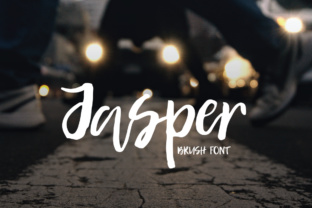
Jasper is not just another script font. It carries the visible weight of a brush against paper — the slight variations in stroke thickness, the occasional ink bleed, the uneven rhythm of a human hand moving with intent. For designers, marketers, content creators, and business owners, this matters more than ever. Audiences have become sophisticated at detecting inauthenticity. They crave visual language that feels personal, unpolished in a deliberate way, and connected to real craft. Jasper answers that craving without sacrificing readability or versatility.
The Return of the Handcrafted Aesthetic
There is a broader cultural shift happening. After more than a decade of ultra-minimalist interfaces, flat design, and algorithm-generated layouts, people are gravitating toward artifacts that show evidence of human touch. This is visible across multiple industries — from the resurgence of vinyl records to the popularity of hand-lettered signage in brick-and-mortar stores, from the rise of custom illustration in digital products to the preference for imperfect imagery on social media.
Typography is a natural extension of this movement. Handwritten brush fonts like Jasper fit squarely into a growing demand for warmth, individuality, and approachability. Brands that once relied exclusively on clean, neutral typefaces are now layering in expressive fonts for headlines, logos, packaging, and social graphics. The reason is simple: people respond to work that feels made by someone, not just generated by software.
Jasper speaks to this need directly. Its brush strokes are not uniform; they carry the natural hesitation and momentum of a real hand. That unpredictability is exactly what makes it feel alive. For a small business owner designing a product label or a freelancer creating a personal brand, using Jasper can signal care, craft, and a willingness to stand apart from cookie-cutter templates.
How Jasper Fits Into Modern Workflows
One common misconception is that handwritten fonts are difficult to work with or only suitable for decorative use cases. Jasper challenges that assumption. Because it was designed by Nursery Art with intentional proportions and consistent baseline alignment, it performs well in settings where legibility is non-negotiable.
Branding and Identity Work
Jasper works particularly well as a display font for logos, taglines, and hero headings. Its brush character gives it a distinct personality without overwhelming the overall composition. A coffee shop, a creative agency, a stationery brand, or an online course creator could all use Jasper to anchor their visual identity. The font suggests artistry and confidence without being fussy.
Digital Content and Social Media
Social feeds are crowded with polished, templated graphics. Using a font like Jasper in Instagram posts, YouTube thumbnails, or newsletter headers immediately breaks the pattern. It tells the viewer that the content inside might be a little more personal, a little less corporate. For bloggers, educators, and marketers, this can translate into higher engagement simply because the typeface invites curiosity.
Product Packaging and Print
In physical spaces, Jasper holds its own. Whether on a product label, a poster, a greeting card, or a menu board, the brush texture adds a tactile quality even in digital reproduction. Small business owners who handle their own packaging design will find that Jasper elevates the perceived value of their product without requiring a professional lettering artist.
Why Professionals Are Paying More Attention to Typography
The conversation around typography has shifted in the past several years. It is no longer just a technical concern for graphic designers. Entrepreneurs, marketers, and content strategists now recognize that typeface choices directly influence trust, readability, and brand recall.
Several factors have driven this awareness:
- The explosion of independent brands. Small businesses and solopreneurs need to differentiate themselves quickly. A distinctive font is one of the most cost-effective ways to establish a unique visual voice.
- The rise of visual-first platforms. Instagram, Pinterest, TikTok, and YouTube all reward strong visual identities. Typography is a core component of that.
- Increased access to design tools. Platforms like Canva, Figma, and Adobe Express put font selection into the hands of non-designers. The bar for what looks good has risen, and people are actively searching for fonts that feel fresh and intentional.
- A growing distrust of generic branding. Consumers are drawn to businesses that look like they put thought into their presentation. Stock fonts can signal indifference. A font like Jasper signals effort.
These trends are not fleeting. As more people start side businesses, build personal brands, or create content as part of their professional role, the demand for fonts that convey personality will only increase. Jasper sits at the intersection of this need — accessible enough for a beginner to use effectively, but crafted well enough to satisfy experienced designers.
The Craft Behind Brush Fonts and Why Authenticity Wins
Not all brush fonts are created equal. Some are digitized versions of generic brush strokes, assembled by algorithm with little regard for how letters actually connect. Others are built from genuine hand-lettered samples but lose their character during the technical conversion process.
What sets Jasper apart is the attention Nursery Art paid to preserving the original energy of the brush. Each letterform carries the subtle inconsistencies that make handwriting recognizable. The entry angles vary. The pressure points shift. The connections between letters feel organic rather than mechanical. This level of detail matters because it fools the eye in the best possible way. Even when someone does not consciously notice the stroke variation, they register the font as human rather than machine-made.
For creators, this means Jasper can be used in contexts where authenticity is the goal. A coach writing a welcome email header, a podcaster designing their show art, a wedding invitation designer trying to evoke a romantic handwritten feel — all of these benefit from a font that does not look like it came from a template library.
Practical Ways to Use Jasper in Your Own Work
If you are still wondering whether Jasper belongs in your toolkit, consider these realistic scenarios:
- You are rebranding a personal blog or portfolio. Using Jasper for your name or page titles immediately signals that you are a creative professional with an eye for detail.
- You are launching a product and designing the label yourself. Jasper can give that label a handmade, artisanal feel that competes with premium brands.
- You are creating a digital course or lead magnet. A Jasper headline on your cover page can increase perceived value before anyone reads a word.
- You manage social media for a business. Swapping out a standard sans-serif for Jasper in quote graphics or announcement posts can refresh the entire feed aesthetic.
- You are a hobbyist crafter or stationery lover. Jasper works beautifully for greeting cards, prints, or personal projects where you want a professional finish without learning lettering yourself.
In each of these cases, the font does the heavy lifting of setting tone. That is exactly what good typography should do — communicate before the reader consciously processes the content.
What to Keep in Mind When Using Brush Fonts
While Jasper is versatile, it is worth remembering a few practical considerations. Brush fonts are at their best when used at larger sizes where the stroke details are visible. Body text in small sizes can become difficult to read, especially on screens. Pairing Jasper with a clean, neutral sans-serif for supporting text is a common and effective strategy. This contrast — expressive headline, restrained body — is one of the most reliable techniques in modern design.
Also, consider context. Jasper carries a warm, artistic energy. It may not be the right fit for legal documents, financial reports, or ultra-corporate communications. But for the vast middle ground of creative and entrepreneurial work, it offers a welcome alternative to the predictable font stacks that dominate most templates.
The Bigger Picture: Typography as a Tool for Connection
At its core, the growing interest in fonts like Jasper reflects something larger than a design trend. It reflects a desire for connection in a digital landscape that can feel impersonal. When someone chooses a handwritten brush font for their business card, their website, or their packaging, they are making a small but meaningful statement. They are saying, There is a person behind this work. Care was taken. Details matter.
Nursery Art has contributed to that movement by crafting a font that feels both deliberate and spontaneous. Jasper does not try to be everything to everyone. It knows what it is — a brush font with character, warmth, and a clear point of view. And in a world saturated with visual noise, that kind of clarity is exactly what stands out.
Whether you are a designer building a brand identity, a small business owner packaging your first product, a blogger refreshing your visual style, or a marketer looking for a way to make your content feel less generic, Jasper is worth trying. It might be the one change that makes your audience stop scrolling and start reading.
The fonts you choose say something about how you see your work. Choose ones that let your voice come through.