The Quiet Charm of Rustine: A Handwritten Script That Feels Personal
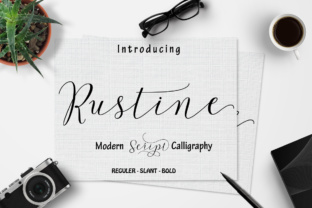
You have seen it before—a design looks polished, clean, even professional, but something feels missing. The words are there, the layout works, but the human touch is absent. That is where a font like Rustine steps in. This is not another generic script that mimics handwriting in a stiff, predictable way. Rustine is a fresh, modern handwritten script with calligraphy-style letters that move naturally across the screen. The strokes feel alive, like someone actually wrote them with intention. If you have ever wanted your work to feel less like a template and more like a personal note, this font might be exactly what you have been looking for.
What Makes Rustine Different From Other Script Fonts
Many script fonts try too hard. They either look overly formal, like wedding invitations that belong in a museum, or they go too casual and end up feeling sloppy. Rustine sits in a sweet spot. The letters are decorative but readable, smooth but not overly floury. They dance—but not in a chaotic way. Each letter connects to the next with a natural rhythm, which means your text does not look like it was typed by a machine. When you use Rustine in a project, you are essentially telling your audience that you took the time to make something feel personal. That matters more than most people realize.
For a small business owner designing a thank-you card, or a blogger trying to create a warm header, that human quality can change how people respond to your work. It is not about being fancy. It is about being relatable.
Where Rustine Fits Into Real Projects
Let us talk about actual situations where Rustine makes a difference. You might be running an online shop selling handmade candles. Your product photos are good, your descriptions are clear, but your branding feels cold. Add Rustine to your logo or your product labels, and suddenly the whole vibe shifts. People buy from brands that feel like people, not corporations. This font gives off that handmade, thoughtful energy without requiring you to actually hire a calligrapher.
Or maybe you are a wedding planner putting together a brochure for clients. Rustine can be used for headings, quotes, or section titles without overwhelming the page. It works because it is elegant but not stiff. Couples looking at your materials will sense the care before they even read a word. That first impression matters in an industry built on emotion and trust.
Freelancers also get a lot of mileage out of Rustine. If you design social media graphics, you know that standing out in a crowded feed is harder than ever. A handwritten title over a clean background can stop a scroll. It feels less like an advertisement and more like a message from someone who actually cares.
Bloggers and Content Creators
If you run a lifestyle blog, you probably spend hours trying to make your visuals match your voice. Rustine works beautifully for blog headers, quote graphics, and even call-to-action buttons. Imagine a post about slow living or journaling, and your title is written in a font that actually looks like it came from a journal. That visual consistency builds trust. Readers start to recognize your style, and that recognition keeps them coming back.
Educators and course creators can also benefit. If you are putting together worksheets, digital planners, or printable guides, Rustine adds a friendly, approachable feel. Students—especially younger ones or adults who are anxious about learning—respond better to materials that do not look like government forms. A handwritten font softens the experience and makes the content feel more like guidance and less like instruction.
Practical Scenarios Across Different Settings
Think about a local coffee shop owner who wants to update their menu board and social media posts. Rustine on a weekend special announcement gives off a cozy, independent vibe. It matches the atmosphere of a place where the barista knows your name. That is not something you get from Helvetica or Arial.
Publishers working on book covers or internal chapter titles can also find value here. While Rustine is not suitable for long body text—no handwritten script really is—it excels in short bursts. A chapter title, a pull quote, a dedication page. Those are places where a decorative touch adds emotional weight.
Hobbyists, too, often overlook the power of typography. If you are scrapbooking, creating a family newsletter, or designing party invitations, Rustine elevates the project. You do not need to be a professional designer. You just need a font that looks like it came from someone who cared. That is exactly what Rustine delivers.
Commercial and Brand Use
Small business owners who sell digital products, like planners or templates, should pay attention here. Rustine can be used in preview images, cover pages, and sample content. When a potential customer sees a planner with handwritten-style headers, they imagine themselves using it. That is a powerful mental trigger. It is not manipulation—it is alignment. The font matches the lifestyle the customer wants.
Marketers running email campaigns can also use Rustine sparingly. A handwritten headline in a welcome email or a holiday promotion feels personal. Combined with a clean sans-serif body font, it creates contrast that guides the eye. People read more of an email when the design feels intentional.
What to Consider Before Using Rustine
No font is perfect for every situation, and Rustine is no exception. Because it is a handwritten script, readability can dip if you use it in long paragraphs or very small sizes. Keep it for headlines, subheads, short quotes, and accent text. That is where it shines. Trying to force it into a block of body copy will frustrate your readers and dilute the font's charm.
Also, consider your audience. Rustine has a modern, slightly artistic feel. It works beautifully for creative industries, lifestyle brands, weddings, and personal projects. If you are designing something for a very formal corporate setting or a technical manual, you might want to save Rustine for internal materials or softer touchpoints. Context matters.
Think about pairing. Rustine pairs well with clean, neutral sans-serifs. This balances the decorative nature of the script and keeps your design grounded. If you pair it with another elaborate font, things get messy fast. A simple pairing lets Rustine do its job without competing for attention.
Licensing and Practical Use
Before you download or buy Rustine, check the license terms. Some fonts restrict commercial use unless you purchase an extended license. If you plan to use Rustine in products you sell—like logos, templates, or merchandise—make sure you have the right permissions. This is a step many creators skip, and it can cause headaches later. A quick read of the licensing page saves you time and protects your work.
Also, test Rustine in different sizes and on different backgrounds. Some handwritten fonts look great at large display sizes but lose clarity when scaled down. Rustine holds up well in typical use cases, but always preview your project before finalizing. A small adjustment in spacing or size can make a big difference.
Real Outcomes You Can Expect
When you use Rustine thoughtfully, people notice. Not in a "that font is cool" way, but in a "this feels right" way. That is the goal. You want your audience to feel something, even if they do not consciously identify it as a font choice. Rustine helps you create that emotional texture without extra effort.
For creators who struggle with branding, this font can be a shortcut to consistency. Once you decide where and how to use it—headers, logos, pull quotes—you have a visual thread that ties your work together. That kind of coherence builds recognition over time.
Entrepreneurs will appreciate that Rustine works across both digital and print. You can use it on your website, your Instagram graphics, your product packaging, and your business cards. That saves you from juggling multiple fonts for different platforms. One reliable script font can carry a lot of weight if you use it wisely.
Making Rustine Work for You
The best way to start is simple. Pick one project—a social media graphic, a thank-you card, a blog header—and try Rustine there. See how it feels. Adjust the spacing, try different sizes, and pair it with a simple sans-serif. You will quickly get a feel for where it adds value and where it might feel out of place.
Rustine is not a magic solution. It is a tool. But it is a tool designed with a clear purpose: to bring a genuine, handwritten feel to modern design. Whether you are a blogger, a small business owner, a freelancer, or someone creating for the joy of it, this font can help you communicate with more warmth and personality. That is something every creator can use.
In a world full of automated messages and generic branding, a little bit of human handwriting goes a long way. Rustine makes that easy. All you have to do is use it.