Theodoria: A Handcrafted Font with Purpose and Personality
If you have spent any time searching for the right typeface, you know the feeling of scrolling past dozens of fonts that all look vaguely the same. They are competent, sure, but they do not say anything. Then you stumble across something like Theodoria and the whole search shifts. This is a handcrafted font from Creativeqube that does not try to disappear into the background. It steps forward, and in a design landscape full of predictable choices, that matters.
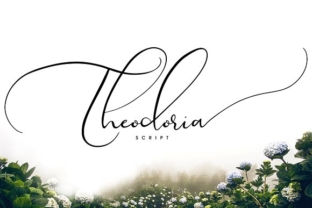
Theodoria is not trying to be everything to everyone. It is a display font with a distinctly human feel. Every letter carries marks of deliberate shaping rather than mechanical uniformity. The curves have warmth, the terminals feel intentional, and the overall impression is one of careful craftsmanship. This is the kind of typeface that makes you want to stop and look closer.
What Makes Theodoria Stand Out Visually
Theodoria sits comfortably in the space between formal and friendly. It has the structure of a serif font but the soul of something handmade. The letterforms are not rigidly geometric, nor are they overly decorative. They strike a balance that feels both timeless and current. The contrast between thick and thin strokes is noticeable but not dramatic, giving the font enough weight to hold its own in headlines while remaining approachable in shorter passages of text.
The personality here is confident without being loud. Theodoria carries a sense of tradition but refuses to feel dated. This makes it a strong choice for projects where you want to communicate quality and care without relying on the usual corporate typography playbook. It has just enough character to be memorable and just enough restraint to remain professional.
For anyone building a brand identity, this combination is harder to find than you might think. Many serif fonts lean either too academic or too ornamental. Theodoria avoids both traps. It feels like it belongs on a boutique product label, a thoughtful editorial spread, or a carefully crafted website header.
Where Theodoria Works Best Across Projects
Theodoria excels in display roles. Logos, headings, packaging headlines, and hero text on landing pages are where this typeface truly shines. At larger sizes, the handcrafted details become visible and add depth that a standard serif simply cannot replicate. If you are working on logo design for a brand that values authenticity, Theodoria gives you a typographic foundation that feels both bespoke and reliable.
Editorial design is another natural home. Magazine covers, feature article headers, and book titles benefit from the warmth and presence Theodoria brings. It pairs well with cleaner sans serif fonts for body copy, which is a classic approach that continues to work because it simply does the job. The contrast between a distinctive display font and a neutral reading font creates visual hierarchy without needing extra graphic elements.
Packaging design is an area where Theodoria can make a real difference. Small-batch products, artisan goods, specialty foods, and craft beverages all rely on typography to communicate care and quality. Theodoria feels like it belongs in that world. It says someone took time with the details, which is exactly the message most premium products want to send.
For social media graphics, especially quote cards, announcements, and brand storytelling posts, Theodoria brings a human voice that stands out in crowded feeds. It works well when you need text to feel less like a corporate message and more like a genuine statement.
Web designers should consider Theodoria for hero headings, navigation branding, and key callout sections. As a web font, it retains its character across screen sizes, though it is best used at display sizes rather than for long body paragraphs. This is not a font you set at twelve pixels and call it a day. It deserves room to breathe.
How Theodoria Influences Readability and Brand Perception
Readability with a display font is always contextual. Theodoria is highly readable at the sizes and settings where it is meant to be used. The letter spacing is generous without being loose, the ascenders and descenders are clear, and the overall rhythm of the typeface makes scanning natural. In short headlines, tags, and logotype applications, readers will process the text quickly because the shapes are distinctive and consistent.
Brand perception is where Theodoria offers real value. When you choose a font that looks handcrafted, you signal that your brand cares about detail. In a market where many businesses rush to launch with generic templates and stock typography, taking the time to select a premium font like Theodoria communicates a different level of commitment. It suggests that you value quality over speed and substance over trends.
Consistency across touchpoints becomes easier with a strong display font as an anchor. When your logo, website headers, packaging, and marketing materials all use the same distinctive typeface, recognition builds faster. Customers start to associate that look with your brand. Theodoria has enough personality to act as that anchor without overpowering other elements of your design system.
Professionalism does not have to mean boring. Theodoria proves that a font can be both distinctive and credible. It works for consultants, coaches, creative studios, small product brands, and anyone who wants to be taken seriously without blending in. The balance it strikes between handcrafted charm and typographic discipline is rare.
Practical Guidance for Choosing and Using Theodoria
Before committing to any font, testing it in context matters more than anything else. Download the sample, set it in your actual project layout, and look at it on different devices. Print a mockup if the project involves packaging or print materials. Theodoria will look its best when you give it enough space and pair it with a complementary secondary font.
Font pairing is worth getting right. Theodoria pairs naturally with clean sans serif fonts for body text. Look for something neutral with multiple weights so you can establish hierarchy. A geometric sans or a straightforward grotesque will let Theodoria take the lead without visual conflict. Avoid pairing it with another highly decorative font unless you have a very specific editorial reason.
Review the included styles carefully. Theodoria comes with the weights and alternates that Creativeqube has built into the font family. Understanding what is available before you start designing saves time and frustration. If you need extended language support or specific glyphs for your project, check the character set early in the process.
Readability considerations are straightforward with Theodoria when you follow a few guidelines. Use it at sizes above 24 points for best results. Avoid setting long paragraphs in it, especially at small sizes. For headlines, subheadings, and short blocks of emphasis text, it performs beautifully. For body copy, let a simpler companion font handle the heavy reading.
Commercial licensing is another practical step. If you are using Theodoria for any business purpose, including branded materials, product packaging, marketing content, or client work, confirm the license covers commercial use. Creativeqube typically offers clear licensing terms, but verifying this upfront protects you and your clients. Using a premium font without the proper license is not worth the risk.
Realistic Examples and Observations
Imagine a small-batch coffee roaster building their brand. The logo set in Theodoria on a kraft paper bag immediately communicates artisanal quality. The same font on their website hero section carries that feeling online. On social media, a quote from the roaster about sourcing practices set in Theodoria looks intentional and credible. This is a font that builds a cohesive identity across touchpoints without needing a lot of extra design work.
Or consider a creative consultant who works with established businesses on rebranding. Their own identity needs to signal creativity and trust. Theodoria on their website, business cards, and proposal covers says they understand design without being flashy. It helps them attract clients who value substance.
For a publisher launching a curated series of short books, Theodoria on the cover and title pages gives the series a collected, thoughtful feel. Paired with a clean sans for the interior text, the reading experience feels intentional from cover to final page.
The common thread across these examples is that Theodoria works best when the brand or project already has a clear point of view. This is not a font that imposes a personality where none exists. Rather, it amplifies and refines a personality that is already there. If you are building a brand from scratch and know what you stand for, Theodoria gives you a typographic voice that matches that clarity.
Designers who have worked with Creativeqube fonts before will recognize the attention to detail. Theodoria continues that tradition. It is a creative font that respects the craft of type design while remaining practical for real projects. It is not a novelty font for one-off experiments. It is a working tool for people who care about how their work looks and how it is perceived.
If you are evaluating Theodoria for an upcoming project, spend time with it. Set it in different contexts, try it with your secondary fonts, and see how it feels after a few days. The best font choices reveal themselves slowly. Theodoria has enough depth to reward that kind of attention.