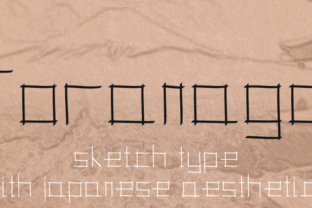
Toranaga: Integrating a Stick-Inspired Typeface into Your Design Strategy
When you encounter a typeface that breaks away from conventional curves and smooth lines, it demands attention. Toranaga is one such typeface. Originating from a design concept that mimics sticks and strokes reminiscent of old Japanese writings, it carries a raw, handcrafted quality. For professionals and creators looking to communicate authenticity, tradition, or deliberate imperfection, understanding when and how to use Toranaga can be a meaningful decision. This article explores the strategic value of this sketch typeface, how it can support your goals, and what to consider before integrating it into your work.
What Makes Toranaga Distinctive?
Torana is not simply a font; it is a visual language. Its construction from stick-like forms echoes the brushwork found in classical Japanese calligraphy, yet it retains a modern, sketch-like immediacy. Each character appears almost carved or drawn by hand, with irregular angles and strokes that convey movement and intention. This distinctiveness means it instantly communicates a cultural or artistic perspective. For marketers or brand strategists, this can be a powerful tool to signal a connection to heritage, craftsmanship, or a non-digital, organic process. The typeface does not aim for perfection—it aims for character.
Strategic Value of Toranaga for Branding and Communication
In a landscape where many brands default to clean, sans-serif fonts, Toranaga offers a deliberate departure. Using it strategically can help a brand position itself as thoughtful, grounded, or artistically inclined. For example, a small business selling handcrafted goods, a restaurant with a Japanese-inspired concept, or a publisher of niche cultural content might use Toranaga for logos, packaging, or promotional materials. The typeface supports storytelling by implying a tradition of careful craftsmanship.
However, strategic use requires more than simply selecting the font. You must consider how it aligns with your overall positioning. If your brand values clarity, speed, or mass appeal, Toranaga may work against those goals. But if your goal is to create a sense of depth, exclusivity, or cultural resonance, it can be an asset. As an advisor, I recommend testing Toranaga in small, controlled applications—such as on a landing page or in a product label—before scaling it across all communications. This allows you to measure audience response and adjust without overhauling your identity.
Using Toranaga to Enhance Creativity and Productivity
For designers and content creators, typefaces are not just tools but catalysts. Toranaga can break you out of visual routines. When you need to generate ideas or explore a different tone, switching to a font like Toranaga can shift your perspective. Its irregular forms encourage a less rigid approach to layout, spacing, and composition. You might find that working with Toranaga reduces the pressure to achieve a polished look, fostering a more experimental mindset.
From a productivity standpoint, using Toranaga for internal mood boards, initial sketches, or brainstorming sessions can help teams align around a specific aesthetic early in a project. Instead of discussing abstract concepts like "traditional" or "raw," the typeface makes the direction tangible. This clarity can save time in decision-making. For educators or workshop leaders, Toranaga can serve as a teaching tool to illustrate principles of typographic history, texture, and cultural influence in design.
Planning the Use of Toranaga in Your Projects
Effective integration of Toranaga begins with planning. Start by defining the context: is this for a short campaign, a permanent brand element, or a specific product line? Next, consider your audience. Are they familiar with Japanese aesthetics, or would the typeface feel foreign or confusing? If your audience includes people who value tradition and artistry, Toranaga can enhance their experience. If they prioritize readability and neutrality, use it sparingly.
Here are practical steps to plan your approach:
- Audit your current materials: Identify where a hand-drawn, stick-like typeface could add value without undermining clarity.
- Pair with complementary fonts: Toranaga works best as a headline or accent typeface. Pair it with a clean, readable font for body text to maintain legibility.
- Test across media: Evaluate how Toranaga renders on screens, in print, and at different sizes. Its irregular strokes can lose impact or become unclear when scaled too small.
- Define a usage hierarchy: Decide which elements—headlines, quotes, or specific sections—will use Toranaga, and where you will revert to standard typefaces.
This structured planning ensures that the typeface serves your goals rather than becoming a decorative afterthought. As with any design choice, intentionality distinguishes effective use from random application.
When Toranaga Aligns with Your Goals — and When It Does Not
Torana is not a universal solution. Its strength lies in specific contexts. Consider using it when your goal is to evoke a sense of antiquity, artistic freedom, or cultural specificity. For example, a museum exhibition catalog about Edo-period art could use Toranaga for titles to mirror the historical theme. A yoga studio branding might use it to convey a connection to Eastern philosophy and naturalness.
Conversely, avoid Toranaga when clarity and speed are paramount. If you are designing a dashboard, a legal document, or an e-commerce site with high information density, the typeface could hinder usability. Its sketch-like quality may also clash with modern, minimalist interfaces. Decision-makers should weigh the emotional impact against functional requirements. In some cases, using Toranaga for a single, memorable element—like a logo or a hero headline—can strike the right balance without sacrificing overall readability.
Practical Examples of Toranaga in Action
To ground this discussion, consider a few realistic use cases. A freelance illustrator creating a series of prints might use Toranaga for the artist signature and title text, reinforcing the hand-drawn feel of the artwork. A small coffee roastery with a Japanese-inspired brand could apply Toranaga to bag labels and packaging, creating a tactile, authentic look that differentiates them on shelves. A blogger writing about traditional crafts could use Toranaga for pull quotes, adding visual interest that complements the written content.
In each example, the typeface is not used randomly. It is chosen to support a specific outcome: brand differentiation, thematic consistency, or enhanced storytelling. The decision is deliberate, and the results are measurable in terms of audience engagement or sales uplift. Whenever possible, track how such design changes affect metrics like time on page, conversion rates, or customer feedback. This data helps refine future choices.
Risks and Considerations Before Relying on Toranaga
No typeface is without risk, and Toranaga carries particular considerations. Its irregular, stick-formed characters can be less legible, especially for longer passages. Overusing it may make your design feel chaotic or amateurish, undermining the very authenticity you seek. Additionally, cultural appropriation is a concern. If you use a typeface inspired by Japanese calligraphy without understanding or respecting its cultural context, your audience may perceive it as shallow or exploitative.
To mitigate these risks:
- Limit usage: Reserve Toranaga for short, impactful text. Avoid setting entire paragraphs in it.
- Provide contrast: Pair it with a neutral, high-legibility typeface to guide reader flow.
- Research cultural associations: Understand the history behind the brushstroke aesthetic to ensure your use is respectful and informed.
- Seek feedback: Test your design with a sample of your target audience to identify any misinterpretations or negative reactions.
These precautions are not meant to discourage use but to encourage thoughtful application. When handled with care, Toranaga can enhance your work without causing unintended consequences.
Making Intentional Decisions About Toranaga
Ultimately, the decision to use Toranaga should emerge from a clear understanding of your objectives. Whether you are an entrepreneur building a brand, a marketer crafting a campaign, or a creator developing a personal project, ask yourself: Does this typeface serve my message? Does it resonate with my audience? Am I using it to reinforce a strategic theme or simply because it looks interesting? The most effective design choices are those made with intention, not impulse.
Torana offers a unique aesthetic that can elevate projects aiming for a traditional Japanese feel or an artistic, handcrafted touch. By approaching it as a strategic resource rather than a decorative novelty, you can harness its power to support your long-term results. Plan its use, test its impact, and remain open to adjusting based on feedback. In doing so, you transform a simple typeface into a tool for thoughtful communication.