Kemuri: The Thin-Lettered Font for Delicate, Modern Design
In a design landscape often dominated by bold sans-serifs and heavy display typefaces, there is something quietly powerful about a font that dares to be light. Kemuri, a thin-lettered typeface built for delicate design work, offers exactly that—a refined, airy quality that feels both contemporary and timeless. For professionals, creators, and business owners who pay close attention to how their visuals communicate, Kemuri opens a door to subtlety without sacrificing clarity.
Typography has always carried more weight than most people realize. The choice of a typeface sets a mood, conveys values, and influences how content is received. In an era where audiences are bombarded with visual noise, a thin, elegant typeface cuts through not by shouting, but by inviting closer attention. This is where Kemuri earns its place.
What Makes Kemuri Distinctive
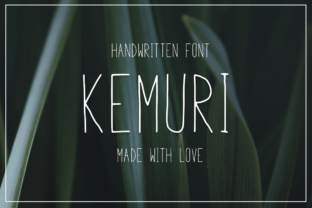
Kemuri is not just another minimalist font. It is a deliberately thin-lettered typeface that prioritizes openness and lightness. Its characters are slender, yet legible, with carefully balanced proportions that prevent the strokes from feeling fragile. This balance is critical—thin fonts often sacrifice readability for style, but Kemuri manages to hold both together.
The name itself, evoking the imagery of smoke or haze, fits the face’s character. There is an ethereal quality to the letters, a sense that they occupy space without overwhelming it. This makes Kemuri particularly effective for design contexts where a light touch is needed—think editorial headers, branding for wellness or lifestyle businesses, product packaging, and digital interfaces that benefit from a breathable aesthetic.
For designers and marketers, the practical value lies in Kemuri’s versatility. It pairs well with more substantial typefaces, creating contrast that guides the eye. Used as a standalone display face, it brings a sense of sophistication and restraint. It is not a font for every project, but for those that require elegance and clarity, it is an excellent choice.
Why Thin Typefaces Matter Now
The growing preference for thin typefaces like Kemuri is not arbitrary. It reflects broader shifts in visual culture. Over the past decade, design has moved away from heavy, ornate styles toward cleaner, more open layouts. This change is driven by multiple factors: the rise of mobile-first design, the need for faster loading interfaces, and a collective desire for visual calm.
Thin typefaces contribute to a sense of spaciousness. When used at appropriate sizes, they make content feel less dense and more approachable. This is especially relevant for brands that want to communicate clarity, sophistication, or a modern sensibility. A fashion label, a boutique hotel, or a creative agency might choose Kemuri for its ability to convey understated luxury without feeling cold or distant.
Another factor is the increasing attention to accessibility in design. While thin fonts can pose challenges at small sizes, when applied thoughtfully—such as in larger headers or with sufficient contrast—they enhance readability by reducing visual clutter. Kemuri’s design takes this into account, with letterforms that remain distinct even at reduced weights.
Evolution of Delicate Typography in Branding
Typography trends have shifted considerably over the last two decades. The early 2000s favored bold, sometimes aggressive typefaces that demanded attention. As digital media matured, so did user expectations. Audiences grew tired of visual noise and began responding more positively to designs that felt intentional and restrained.
This evolution paved the way for typefaces like Kemuri. In branding, a delicate font signals confidence—the kind that does not need to shout. A thin-lettered typeface suggests that the brand trusts its audience to lean in, to read closely, to appreciate nuance. This is a powerful psychological cue, especially for businesses in creative, luxury, or wellness sectors.
At the same time, the rise of minimalism in product design and web interfaces has normalized the use of light typography. Major brands have adopted thin font variations for their logos and headers, demonstrating that slender letterforms can be both modern and memorable. Kemuri fits naturally into this lineage, offering a distinct visual personality that sets it apart from more generic options.
For freelancers and small business owners, adopting a typeface like Kemuri can differentiate their work in a crowded market. It shows that they are paying attention to detail and are willing to make choices that prioritize elegance over trend-chasing. This is a subtle but meaningful advantage.
Practical Applications Across Creative Fields
Kemuri’s greatest strength is its adaptability across different media. Designers working in print, web, or branding all find ways to incorporate its thin, delicate form.
- Branding and identity: Kemuri works beautifully for brand names, taglines, and visual identities that want to convey refinement. It pairs well with geometric shapes and neutral color palettes.
- Editorial and publication design: For magazine spreads, book covers, or editorial layouts, Kemuri provides a sophisticated header face that adds structure without overwhelming imagery.
- Product packaging: In the wellness, beauty, and gourmet food sectors, thin typography suggests handmade quality and attention to craft. Kemuri can elevate the perceived value of a product.
- Digital interfaces: Used in navigation headers, landing pages, or hero sections, Kemuri contributes to a clean, modern user experience. Its lightness helps content breathe on screen.
- Event materials: Invitations, programs, and signage for events that prioritize elegance—such as gallery openings, private dinners, or cultural events—benefit from Kemuri’s delicate character.
In each of these applications, the key is using Kemuri at a size and weight where its thin strokes are assets, not liabilities. It excels when given room to exist without competing with too many other visual elements.
How Creators and Businesses Can Use Kemuri Effectively
Even a beautiful typeface can fall flat if applied without strategy. For those considering Kemuri in their projects, a few practical guidelines help ensure the results are as intended.
Pair with contrasting typefaces – Kemuri’s delicacy is best highlighted when it is paired with a sturdier companion typeface for body text. A serif or a heavier sans-serif will create a rhythm that guides the reader and prevents visual fatigue.
Mind the spacing – Thin letters benefit from generous tracking, especially at small sizes. Kemuri’s own spacing is well-calibrated, but adjusting letter-spacing relative to the medium can make a significant difference in readability and aesthetic impact.
Use color thoughtfully – Light typefaces work best against backgrounds with sufficient contrast. A dark or muted background can make Kemuri’s thin strokes pop, while a white or pastel background maintains a purely airy feel. Avoid low-contrast combinations where the letterforms may disappear.
Reserve for emphasis – Because thin fonts are inherently more delicate, they work best for headings, short phrases, or display text. Using Kemuri for long body text is possible if the size and leading are generous, but in most digital contexts, it is better suited to shorter lines.
For marketers and business owners, these considerations are not just about aesthetics. They directly affect how audiences perceive and interact with content. A thoughtfully applied typeface builds trust and keeps attention where it belongs.
The Role of Thin Typography in Modern Brand Strategy
Brand strategy today is about more than logos and color palettes. Typography is a core component of a brand’s voice. It signals personality, values, and tone before a single word is read. Thin typefaces like Kemuri communicate a particular kind of confidence—one that is understated, precise, and comfortable with silence.
For entrepreneurs and creatives building their own brands, this matters. In a marketplace where everyone is competing for attention, a delicate design choice can stand out precisely because it does not try too hard. It invites the audience into a relationship rather than demanding their gaze.
This is especially relevant for businesses in sectors like wellness, design consulting, high-end retail, and creative services. These industries benefit from a visual identity that suggests expertise without aggression. Kemuri fits that brief naturally.
Looking Forward: The Staying Power of Delicate Design
Trends in typography will always shift, but the appreciation for refinement and clarity is unlikely to fade. As digital spaces become more saturated, the brands and creators who succeed will be those who understand the value of restraint. Thin typefaces like Kemuri offer a way to achieve visual distinction without relying on loudness.
At the same time, technological advances are making it easier to render thin fonts with precision across devices. High-resolution screens and improved print capabilities ensure that the subtle beauty of a typeface like Kemuri is preserved, whether viewed on a phone or a page.
For designers, educators, and business owners alike, the choice to use a delicate font is a vote for quality over quantity. It signals a commitment to craft, to readability, and to the experience of the audience. In a world that often feels overwhelming, that choice is both practical and meaningful.
Kemuri is not a font for every project, but for those that need a light touch, a sense of air, and a quiet confidence, it is exactly right. Whether you are building a brand, designing a publication, or creating content that needs to be both seen and felt, a thin-lettered typeface like Kemuri can be the difference between a design that works and one that resonates.