Njalanie Font: A Practical Typeface for Modern Creators
Typography often works quietly in the background, shaping how readers perceive everything from a menu to a landing page. You might have spent hours scrolling through font libraries, only to feel that something is either too stiff or too playful for your project. That is where the Njalanie font by Gblack Id enters the conversation. It offers a balance that many typefaces miss: clean enough for professional use, yet distinctive enough to leave an impression. If you have been looking for a typeface that feels fresh without being distracting, Njalanie deserves a closer look.
What Makes Njalanie Different
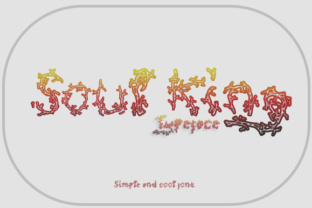
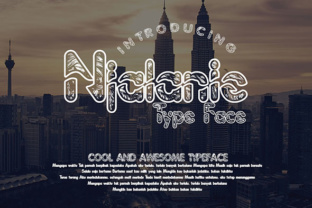
Njalanie is not just another sans-serif or display font. Designed by Gblack Id, it carries a subtle character that works across various contexts without shouting for attention. The letterforms are carefully constructed, with proportions that make long reading comfortable while keeping each glyph visually interesting. You notice small details when you start working with it—slightly softened terminals, consistent stroke weights, and a rhythm that guides the eye naturally from letter to letter. These elements combine to create a typeface that feels both modern and approachable.
One of the strongest qualities of Njalanie is its versatility. It does not lock you into a single mood. In a headline, it projects confidence and clarity. In body text, it remains legible and inviting. This flexibility means you can use it for multiple elements within the same project without worrying about visual clash. For creators juggling multiple deliverables, that kind of cohesion saves time and preserves quality.
Digital Content and Web Design
When you are building a website or crafting social media graphics, the font you choose directly affects engagement. Njalanie performs well on screens because of its open spacing and clear distinction between similar characters. Readers do not have to strain to differentiate a lowercase l from an uppercase I. This clarity reduces friction, especially on mobile devices where screen real estate is limited. If you run an online store, a blog, or a portfolio, using Njalanie for headings and short paragraphs can give your content a professional finish without relying on overly embellished alternatives.
Branding and Identity Work
Entrepreneurs and business owners often struggle to find a font that feels unique yet trustworthy. Njalanie offers a middle ground. It is not so generic that your logo blends into the crowd, nor so eccentric that it alienates conservative audiences. Consider a consultant rebuilding their brand identity – using Njalanie for the logo mark alongside a clean body typeface creates a consistent system that works on business cards, slide decks, and website headers. The typeface carries enough personality to stand alone, but it also plays well with others when layered in a typographic hierarchy.
Print Materials and Presentations
Printed collateral demands fonts that hold up at different sizes. From brochures to conference handouts, Njalanie maintains its structure whether set at 10 points or 72 points. I have found that it works particularly well for pull quotes and section titles in reports. The slight curves in the letterforms soften the overall look, making dense information feel more approachable. For educators preparing handouts or marketers designing mailers, this readability translates directly into better audience retention.
Practical Benefits Beyond Appearance
The value of a font is not only in how it looks, but in how it performs during your workflow. Njalanie comes with a range of weights and styles that give you flexibility without overwhelming your choices. This simplicity speeds up decision-making. You do not waste time wondering whether a light weight exists for subtitles or if a bold weight will disrupt your layout. The family is structured logically, so you can set up a typographic scale quickly and move on to refining your content.
Another benefit is the font’s compatibility with common design software and web platforms. Whether you are working in Adobe Creative Suite, Figma, or a CMS like WordPress, Njalanie integrates smoothly. You do not encounter strange kerning or broken characters when exporting files. This reliability matters when you are under deadline pressure and cannot afford to troubleshoot glyph issues. Freelancers and small teams, in particular, appreciate tools that reduce friction in the production pipeline.
Realistic Use Cases You Can Try Today
- E-commerce product descriptions: Replace a default system font with Njalanie for your product titles and short descriptions. The improved readability can help customers scan features faster, potentially reducing bounce rates.
- Email newsletters: Use Njalanie for your newsletter header and call-to-action buttons. Since many email clients handle standard web fonts, testing Njalanie in your campaign can give your brand a consistent voice across inboxes.
- Course materials and worksheets: Educators and online course creators can set exercise headings and key terms in Njalanie. Its clean appearance helps students focus on the content without distraction.
- Personal projects: Even if you are designing a wedding invitation or a personal zine, Njalanie brings a polished touch that feels deliberate rather than basic.
Start with one small application, such as a single landing page or a presentation title slide. Observe how the font changes the tone. Often, the subtle shift in typography is enough to make your work stand out without a full redesign.
Practical Considerations When Selecting Njalanie
Before you commit to a new typeface, think about where and how you will use it. Njalanie works best when you have a specific role for it in your visual system. It is not intended to replace every font in your library, but rather to serve as a primary voice for headings or short-form content. For long body text in dense documents, you might pair it with a complementary serif font or a neutral sans-serif to maintain reading comfort over many pages.
Licensing is another factor. Check the terms provided by Gblack Id for your particular use case. If you are using it for commercial projects, ensure you have the appropriate license. Many type designers offer tiered options, so review what fits your needs before downloading. Investing a little time upfront prevents legal hassles later.
Finally, test Njalanie in context. Download the trial version if available, drop it into your current design files, and examine how it interacts with existing elements. Read the text aloud to see if the rhythm matches your intended tone. A font that looks great in a specimen may behave differently when set in full paragraphs. Taking this step gives you confidence that your choice is right for the long term.
Why Creators Keep Coming Back to Njalanie
The popularity of the Njalanie font among designers, bloggers, and business owners comes down to one thing: it works when you need it to. It does not demand attention or force a particular aesthetic. Instead, it supports your message. Whether you are building a brand identity, crafting an online course, or simply refreshing your personal blog, Njalanie provides a reliable foundation that respects both your content and your audience. In a world where every pixel competes for eyes, that quiet strength is worth more than a flashy alternative.
Typography is one of the most accessible ways to improve the quality of your work. By choosing a typeface that balances aesthetics with utility, you respect the reader’s experience and your own creative process. Njalanie by Gblack Id represents that balance. Give it a try on a real project, and see how it shapes the way people engage with your work. Often, the right font is the one you barely notice—because everything else falls into place.