DryWood: A Typeface That Brings Authentic Texture to Digital Design
In a design landscape increasingly dominated by sleek sans-serifs and polished geometry, a growing number of creators are searching for something with more character—something that feels less manufactured and more honest. This is where DryWood, the distinctive typeface created by Gblack Id, enters the conversation. It is not merely a font choice; it is a deliberate shift toward visual storytelling that respects the irregularities of natural form. Whether you are building a brand identity, designing a website, or crafting content for social media, understanding what DryWood offers—and why it matters—can change how you approach visual communication.
What Is DryWood and Why Is It Gaining Attention?
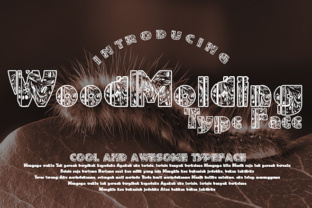
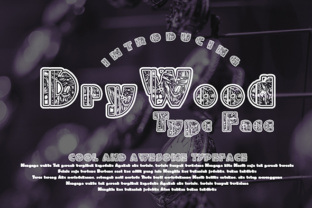
DryWood is a digital typeface that deliberately mimics the texture, grain, and organic imperfections of wood. Unlike many fonts that aim for perfect uniformity, DryWood embraces the variations found in natural materials: slight inconsistencies in stroke thickness, subtle rough edges, and a tactile warmth that feels almost physical on screen. Designed by Gblack Id, the font reflects a broader cultural shift toward authenticity in digital spaces. After years of flat design and minimalism, audiences are responding to visuals that carry a sense of history, craft, and human touch.
The relevance of DryWood goes beyond mere aesthetics. In a time when remote work and digital interactions dominate, people crave connection to the tangible. A font like DryWood can evoke the feeling of carved signage, weathered barn wood, or hand-lettered typography from a small workshop. It is a reminder that digital design does not have to feel sterile. For entrepreneurs, bloggers, and marketers, this opens up new ways to build trust and emotional resonance with an audience that has become skeptical of overly polished corporate imagery.
How DryWood Fits Into Current Design Trends
Several overlapping trends make DryWood particularly relevant right now. Understanding these trends helps clarify why this font is more than a passing novelty.
The Return of Tactile and Brutalist Design
After a long period dominated by ultra-clean interfaces, designers are rediscovering the power of texture. Brutalism in web design—raw, unpolished, often jarring—has paved the way for fonts that reject perfection. DryWood fits comfortably within this movement. Its rough edges and grain-like details add a layer of physicality that pure vector fonts cannot replicate. When used in headings or hero sections, it immediately communicates that a brand is not afraid to be different.
The Need for Authenticity in Branding
Consumers, especially those in the 20–50 age range, have become highly attuned to insincerity. A brand that uses stock photography and generic fonts can feel distant. DryWood, by contrast, signals a willingness to invest in distinctive design. It suggests that the person or company behind the screen cares about craft. For a small business owner or freelancer, using DryWood on a website or packaging design can be a cost-effective way to stand out without relying on expensive custom illustration.
Digital Fatigue and the Search for Warmth
Spending hours each day staring at screens has created a hunger for visuals that feel less cold. Fonts like DryWood introduce a sense of warmth and organic irregularity. They break the monotony of pixel-perfect layouts. This is particularly effective in content marketing, blog design, and educational materials where the goal is to hold attention and create a comfortable reading experience.
The Evolution of Typeface Design: From Perfect to Purposeful
Typeface design has undergone a significant evolution over the past two decades. Early digital fonts were constrained by low-resolution screens and limited rendering capabilities. The result was a reliance on simple, geometric shapes. As screen technology improved, designers began experimenting with more complex letterforms, but the trend toward flat, minimalist design kept many fonts clean and uniform.
DryWood represents a later stage in this evolution: a move toward purposeful imperfection. Gblack Id’s approach reflects a deeper understanding that digital experiences can—and should—borrow from the physical world. The font is not trying to be a perfect simulation of wood; it is an interpretation that works within the constraints of digital rendering while preserving the soul of the material. This balance is what makes DryWood practical for modern workflows, where scalability and legibility still matter.
People are paying more attention to fonts like DryWood because they offer differentiation in an oversaturated market. When every other startup uses the same popular sans-serif, choosing a textured display font becomes a strategic decision. It signals that a brand has thought about its identity beyond the obvious.
Practical Implications for Users, Creators, and Professionals
Understanding DryWood is one thing; knowing how to use it effectively is another. Here are practical considerations for different audiences.
For Designers and Creatives
- Pairing with simpler fonts. DryWood works best as a display or heading font. Pair it with a clean, legible sans-serif like Open Sans or Lato for body text. This contrast prevents visual overload while giving your headers maximum impact.
- Use in moderation. Because of its strong texture, DryWood can become tiring if used for long passages. Reserve it for titles, pull quotes, or key call-to-action areas.
- Consider context. A font that evokes wood grain fits naturally with brands related to crafts, furniture, outdoor gear, artisanal food, or rustic lifestyle. However, it can also work in unexpected contexts—such as tech startups aiming for a “handmade” ethos—if executed thoughtfully.
For Marketers and Bloggers
- Build a visual identity. Consistently using DryWood in your blog headers or social media graphics creates a memorable visual anchor. Over time, audiences begin to associate that textured look with your content.
- Enhance storytelling. If your content focuses on sustainability, craftsmanship, or heritage, DryWood reinforces those themes on a subconscious level. It acts as a visual cue that supports your message without needing additional explanation.
- A/B test your designs. As with any bold design choice, test how your audience responds. Some niches may prefer a cleaner look. The goal is not to force DryWood where it does not fit, but to use it where it adds measurable value.
For Business Owners and Entrepreneurs
- Differentiate your brand. In crowded markets, small details can tip a customer’s decision. A logo or website header set in DryWood can convey a sense of quality and attention that generic fonts cannot.
- Align with brand values. If your company emphasizes natural materials, handmade processes, or local production, DryWood visually reinforces those values. It creates a consistent narrative across print and digital touchpoints.
- Consider licensing and usage rights. When selecting DryWood for commercial projects, ensure you have the appropriate license from Gblack Id. Proper licensing protects your work and respects the designer’s effort.
For Educators and Hobbyists
- Teach design principles. DryWood is a great example for lessons on typography and emotional design. Its texture and irregularity make it easy to discuss how fonts carry meaning beyond words.
- Personal projects. Hobbyist designers can experiment with DryWood in posters, invitations, or personal blogs. It is a low-risk way to explore how texture affects readability and mood.
Realistic Examples and Recommendations
One common mistake is assuming that a textured font like DryWood should be used everywhere. In reality, its power comes from deliberate placement. Consider a small-batch coffee roaster’s website: using DryWood for the main headline and product names instantly communicates “artisanal” and “craft.” Pair it with a neutral background and a simple layout, and the design feels cohesive rather than chaotic.
Another example is a freelance woodworker’s portfolio. DryWood in the navigation or project titles reinforces the material focus of the work itself. Potential clients will intuitively connect the font’s character with the quality of the craftsmanship shown in the images.
For an educational blog about sustainable living, DryWood can be used in section headers to break up long articles. It gives the page a grounded, approachable feel that aligns with the topic. The key is to ensure the rest of the typography remains functional—good line spacing, appropriate font size, and high contrast for readability.
When downloading DryWood, always obtain it from a reputable source. Gblack Id likely offers the font through standard type foundry platforms. Check for the included formats (such as OTF, TTF, or variable) and any specific usage restrictions. Testing the font on different devices and browsers is also wise, as rendering engines handle textured fonts slightly differently.
Looking Ahead: The Place of DryWood in Modern Workflows
As digital tools become more powerful and design software more accessible, the demand for distinctive, emotionally resonant assets will only increase. DryWood is not a font that will replace the workhorses of everyday text—but it does not need to. Its role is to provide a textural accent in an otherwise smooth digital environment.
For creators and professionals who want their work to feel less generic and more intentional, DryWood offers a straightforward way to achieve that goal. It taps into a larger cultural desire for authenticity without sacrificing the practical requirements of digital display. When used with care, it can elevate a project from simply functional to genuinely memorable.
In a world where every pixel is calculated, choosing a font that celebrates imperfection is a quiet act of rebellion. DryWood, by Gblack Id, gives you the tools to make that rebellion both beautiful and useful.