WoodMolding: Crafting Natural Appeal in Design
Fonts carry personality. Some are crisp and modern, others evoke tradition. Few manage to bring the texture of physical material into digital typography. The WoodMolding font by Gblack Id does exactly that. It translates the look of carved wood and decorative molding into letterforms that feel handcrafted and organic. Whether you are laying out a rustic menu, designing a brand for a woodworking business, or adding warmth to a personal project, this typeface offers a distinct aesthetic that connects with audiences seeking authenticity. Understanding what WoodMolding offers, and how it fits different creative workflows, helps you decide whether it belongs in your toolbox.
What Makes WoodMolding Distinctive
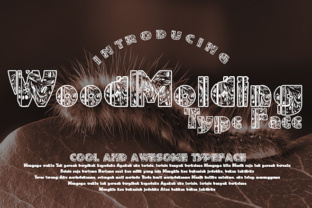
WoodMolding is a decorative display font. Its letters carry the visual weight of carved timber—think chiseled edges, grain-like contours, and the slight irregularity of handcrafted work. Unlike clean sans-serifs or formal scripts, this font leans into texture. The uppercase and lowercase characters often feature notches, shadow effects, or uneven surfaces that mimic routed wood. The overall effect is rugged but readable, provided you use it at appropriate sizes. Gblack Id designed it specifically for projects where you want type to feel tactile rather than flat.
For someone new to typography, this font may feel unusual at first. Letters with pronounced texture can be harder to scan in long paragraphs. However, the visual reward comes in headlines, logos, packaging, and signage. The font works best when you gives it room to breathe. Pair it with a simpler, neutral font for body copy, and let WoodMolding carry the emotional weight of your message.
Who Benefits from WoodMolding
Different audiences approach a font like WoodMolding with different priorities. A designer might evaluate its versatility and file quality. A small business owner may care about licensing and how it prints on packaging. A hobbyist might simply enjoy the aesthetic. Below are several perspectives, each highlighting practical considerations.
Creative Professionals and Designers
For graphic designers, branding specialists, and art directors, WoodMolding offers a ready-made solution for projects that need an artisanal or natural feel. Instead of spending hours building texture into lettering from scratch, you drop in a typeface that already carries that character. The font includes multiple weights or stylistic alternates depending on the version you license—check the Gblack Id product page for specifics. Professionals appreciate reliable kerning, clean curve handling, and compatibility with major design software. WoodMolding generally meets these expectations for a display font, though you should test it with your own layouts to confirm spacing works as intended.
One practical example: a designer creating branding for a craft brewery. The client wants labels that suggest handcrafted quality and natural ingredients. Using WoodMolding for the beer name or tagline immediately communicates that handmade vibe. Pair it with a simple, legible sans-serif for nutritional information and ingredients. The result feels cohesive and avoids clutter. The designer also appreciates that the font’s texture reproduces well in both digital and print media, though at very small sizes the details may blur—so smart sizing matters.
Small Business Owners and Entrepreneurs
If you run a small business—especially one related to woodworking, furniture, home decor, coffee, or organic products—your brand identity matters. A custom look separates you from competitors using generic templates. WoodMolding helps you achieve a unique visual voice without hiring a type designer. You can use it on your website header, product labels, business cards, and social media graphics. The key is consistency. When customers see your logo or product name in WoodMolding, they subconsciously link your brand to craftsmanship and natural materials.
Cost is another factor. As a standalone font purchase, WoodMolding is usually affordable compared to commissioning a custom typeface. Before buying, check the license terms—some commercial licenses cost more but allow embedding in apps or merchandise. For a small business just starting out, a standard desktop license may cover all your needs. Consider whether you will use the font across multiple platforms, such as web embeds, print files, and video, and pick the license that matches.
Educators and Content Creators
Teachers, online course creators, and educational content designers sometimes look for fonts that capture attention and reinforce a lesson theme. If you teach woodworking, history of design, or sustainable living, WoodMolding can make your handouts, slide decks, or video titles more engaging. Students immediately grasp the material connection to the subject. One practical example: a workshop instructor creating a PDF guide on joinery techniques. The guide title set in WoodMolding signals the topic visually, while body text remains in a clear, simple font. This boosts readability and aesthetic appeal without confusing learners.
Content creators on YouTube, Instagram, or Pinterest can also use WoodMolding for thumbnails, banner graphics, and post titles. The font’s distinct look stands out in feeds and encourages clicks. However, test the font at small thumbnail sizes—some decorative detail may be lost, so you might need to increase font weight or simplify backgrounds.
Hobbyists and DIY Enthusiasts
Hobbyists often approach design with a different set of priorities: fun, personal satisfaction, and low cost. WoodMolding appeals to anyone who enjoys making custom greeting cards, personalized gifts, scrapbook pages, or home decor signs. You do not need professional design skills to use it. Many hobbyists find the font easy to apply in programs like Canva, Word, or even free graphic tools, as long as the software supports custom fonts. One example: a woodworking hobbyist creating a carved sign for their workshop. They design the lettering using WoodMolding on their computer, then transfer the pattern to wood. The font’s carved look provides a natural starting point, saving time on hand-drawing letters.
For these users, flexibility matters more than technical refinement. They may use the font for a single project and not need a full family of weights. A single-weight purchase or even a free version, if available, could suffice. Yet they should still verify licensing—some free versions restrict commercial use, even for selling handmade items.
Evaluating WoodMolding for Your Projects
Making a smart decision about any font involves weighing quality, usability, and fit. Here are factors to consider with WoodMolding.
Quality and Craftsmanship
Gblack Id has designed a font with clear attention to the carved aesthetic. Characters generally maintain consistent proportions while embracing intentional irregularity. Look for whether the font includes extended characters (such as accented letters or ligatures) if your project requires multilingual support. Also test the font at different sizes—some display fonts lose legibility below 24 points. For headlines and medium-sized text, WoodMolding performs well. For small text or dense layouts, choose another font.
Ease of Use and Learning Curve
Installing WoodMolding follows the same process as any standard font: download, open, and install on your operating system. Within design software, you then select it from the font menu. The learning curve is minimal for those already comfortable installing fonts. Beginners should look for installation guides or video tutorials from the font vendor. Some platforms like Canva require uploading the font to your account, which is straightforward. Once installed, applying WoodMolding is as simple as typing and adjusting size or color. No special techniques required.
Speed and Reliability
For professional use, reliability means the font renders consistently across different devices and software. Display fonts can sometimes break or lose their texture if the software does not fully support OpenType features. Test WoodMolding in your primary tools before committing to a major project. Speed concerns usually relate to file size—decorative fonts may have larger file sizes, but modern hardware handles them without noticeable lag. Cloud-based design tools might process them a bit slower, so keep that in mind.
Creativity and Commercial Value
The true value of WoodMolding lies in the creative shortcuts it offers. Instead of building a carved-wood effect from scratch, you get it out of the box. That means faster turnaround for client projects, more time for other creative decisions, and a unique visual identity that sets your work apart. For a freelancer or agency, this can directly translate into higher-value deliverables and happier clients. For a small business, it means a memorable brand for a modest investment.
Practical Applications Across Audiences
To give a clearer picture, here are specific scenarios where WoodMolding shines.
- Restaurant menu design: Use WoodMolding for the restaurant name or section headers. Pair with a clean serif for dish descriptions. The woodsy feel suits farm-to-table or BBQ concepts.
- Packaging for handcrafted goods: Soap makers, candle artisans, and woodworkers can place the product name in WoodMolding on labels. The font conveys premium handmade quality.
- Event invitations: Rustic wedding or backyard party invites gain charm with WoodMolding headings. Combine with natural textures like kraft paper backgrounds.
- Digital product mockups: Etsy sellers and print-on-demand creators use WoodMolding in product previews to attract buyers looking for artisan aesthetics.
- Blog and website headers: Lifestyle or DIY blogs can set their main title in WoodMolding to establish a warm, approachable tone.
Is WoodMolding Right for You?
Deciding whether to invest in WoodMolding depends on your goals. If your work or hobbies regularly involve an earthy, organic, or handcrafted theme, this font will likely become a favorite. It saves time and adds character that is hard to replicate with standard fonts. Beginners will find it easy to use in straightforward projects, while professionals can layer it into sophisticated brand systems.
However, WoodMolding is not a universal solution. Avoid using it for formal documents, large bodies of text, or minimalist modern branding. In those contexts, the carved texture feels out of place and can reduce readability. Also consider your audience—people reading international or multilingual content may need clearer letterforms. Always test the font with your actual content to confirm it communicates the right message.
Ultimately, WoodMolding by Gblack Id is a purposeful tool. It gives you an immediate visual shortcut to warmth and craftsmanship. Whether you are a designer building a cohesive brand, a small business owner distinguishing your products, or a hobbyist adding a personal touch to a gift, this font can help you achieve your creative goals with less effort. Evaluate it against your specific projects, and you will know quickly whether it belongs in your collection.