Swirlflower: A Guide to Floral and Spiral Typography
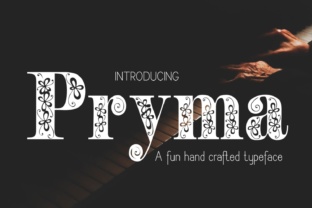
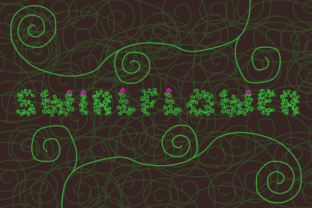
A single graceful curve can redefine a composition, and when that curve blossoms into intricate leaves and spirals, you have entered the expressive universe of Swirlflower. As a decorative font rich with ornamental detail, it offers graphic designers and brand strategists a direct path to infusing projects with personality, warmth, and organic elegance. In an age where digital experiences often feel sterile, Swirlflower provides a tactile, handcrafted aesthetic that immediately elevates visual communication and strengthens emotional resonance.
Why Swirlflower Matters in Modern Design
The pendulum of visual design trends is swinging back toward ornamentation and storytelling. While minimalism remains a staple, the market hungers for texture and nuance. Swirlflower answers this call by bridging the gap between classic calligraphic flair and contemporary creative assets. Its presence in a layout instantly communicates values like creativity, sophistication, and attention to detail. When applied thoughtfully, it enhances brand identity by creating a distinct visual signature that is difficult to replicate with standard typefaces. This direct impact on user engagement and perception makes it a vital tool for any professional looking to differentiate their work.
Expressing Brand Values Through Ornamentation
In branding and logo design, the specific curves of a floral font can speak volumes. A spiraling leaf or vine isn't just decoration—it is a visual metaphor for growth, nature, and fluidity. Integrating Swirlflower into a brand identity system helps soften rigid corporate structures and adds a layer of accessible sophistication. Whether used as a primary logotype or a secondary accent mark, it builds a memorable visual hierarchy that guides the eye naturally through the composition.
Enhancing Digital and Print Touchpoints
From social media graphics to packaging design, the versatility of Swirlflower is remarkable. In digital marketing, it helps create cohesive, curated feeds that stop the scroll. Using it for elegant pull quotes, decorative headers, or intricate borders provides a consistent and recognizable style across Instagram, Pinterest, and email newsletters. In print, its detailed lines shine—think luxury candle labels, wedding stationery, or editorial drop caps. The implied tactile quality of the spirals and leaves communicates premium value and deliberate craftsmanship, directly improving the professional presentation of any product.
Practical Applications Across Disciplines
- Web and UI Design: Use Swirlflower sparingly on landing pages or hero sections to add a focal point of elegance without compromising UX. Pair it with clean sans-serif typefaces to maintain readability and modern aesthetics.
- Packaging Design: Create an unboxing experience that feels artistic and intentional. Ornamental typography on boxes or tags strengthens the customer's emotional connection and elevates perceived value.
- Advertising Campaigns: Inject personality into print ads or digital banners. The intricate details of the font capture attention and convey a sense of luxury or boutique authenticity.
- Presentation Design: Break the monotony of corporate slide decks. A well-placed Swirlflower accent can make title slides or section dividers feel sophisticated and creatively charged.
Essential Tips for Using Decorative Fonts Like Swirlflower
To harness the full power of ornamental typography without sacrificing usability, designers must think strategically. The key lies in balancing complexity with clarity. Here are actionable recommendations for integrating Swirlflower into your design workflow:
Prioritize Readability and Scale
Because Swirlflower is dense with detail, it is best reserved for headlines, short phrases, or hero elements. Avoid using it for long paragraphs or body copy. Always test its scalability—a logo must look sophisticated both on a massive billboard and a tiny social media avatar. Ensuring the fine lines and leaves remain visible at smaller sizes is critical for maintaining visual hierarchy and brand consistency.
Curate Your Color Palette and Negative Space
Floral fonts demand room to breathe. Pair Swirlflower with ample negative space to prevent layouts from feeling cluttered. Regarding color palette, muted backgrounds, monochromatic schemes, or high-contrast pairings work best. Allowing the font to sit against a soft pastel or a deep, rich tone lets the intricate lines and spirals take center stage without visual competition.
Align with Audience and Brand Goals
One of the most important steps in selecting creative assets is evaluating audience expectations. A whimsical, ornate font aligns beautifully with botanical brands, creative agencies, wedding planners, or lifestyle bloggers. However, forced into an incompatible context—such as a heavy industrial brand—it can create confusion. Ensure that the decorative nature of Swirlflower supports your design goals and resonates with the target demographic.
Building a Polished Visual System
The true magic of Swirlflower occurs when it is integrated thoughtfully into a broader composition. Consider how its sweeping lines interact with your grid, your photography, and your supporting icons. The dynamic tension between an intricate font and clean, modern layout creates an incredibly effective visual experience. This balance is the hallmark of advanced graphic design—knowing exactly when to add flair and when to hold back. By focusing on consistency, readability, and visual harmony, you transform a standard project into a memorable brand story.
Ultimately, tools like Swirlflower remind us that design is as much about emotion as it is about communication. Choosing a decorative font full of spirals, leaves, and flowers is a deliberate act of creativity. It signals to your audience that every detail matters. By thoughtfully applying these creative resources, you can build stronger brands, captivate your audience, and elevate the quality of every project you touch. The right typography doesn't just fill space—it tells a story that lingers long after the viewer looks away.